RFID anti-metal RFID tags are specifically designed to perform reliably on metal surfaces, where standard RFID tags often fail due to signal interference. By using special shielding materials and optimized antenna structures, these tags ensure stable communication and consistent read performance in challenging environments.
RFID technology has become an essential tool for asset tracking, inventory management, and industrial automation. However, metal surfaces can reflect and absorb radio waves, significantly reducing the efficiency of traditional RFID tags.
To solve this problem, anti-metal RFID tags are widely used in industries such as manufacturing, logistics, and equipment management.
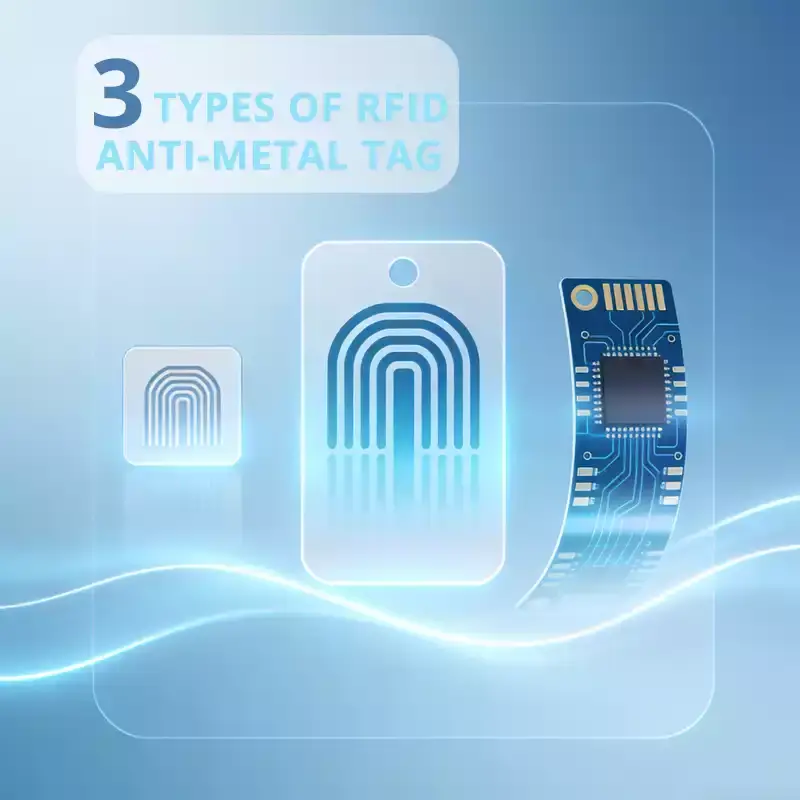
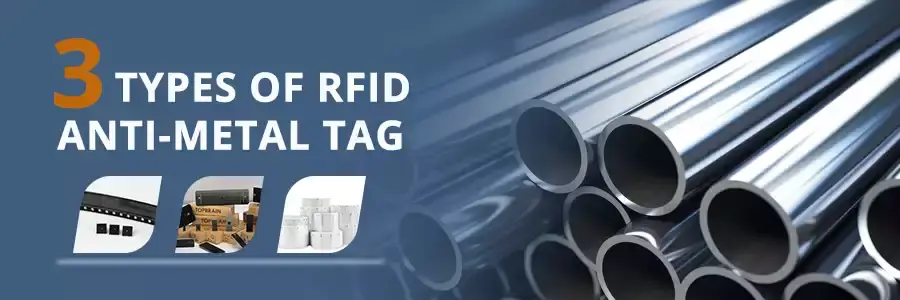
In this article, we will introduce three common types of RFID anti-metal RFID tags:
- Micro RFID Tag (PCB-based)
- PCB RFID Tag
- UHF Flexible Anti-Metal RFID Tag (Foam-based)
What Are RFID Anti-Metal RFID Tags?
Standard RFID tags often fail on metal surfaces because metal reflects and absorbs radio waves. Anti-metal RFID tags solve this problem by incorporating:
- Special insulating layers
- Optimized antenna design
- Shielding structures
Key Benefits
- Reliable performance on metal surfaces
- High durability in industrial environments
- Suitable for outdoor and harsh conditions
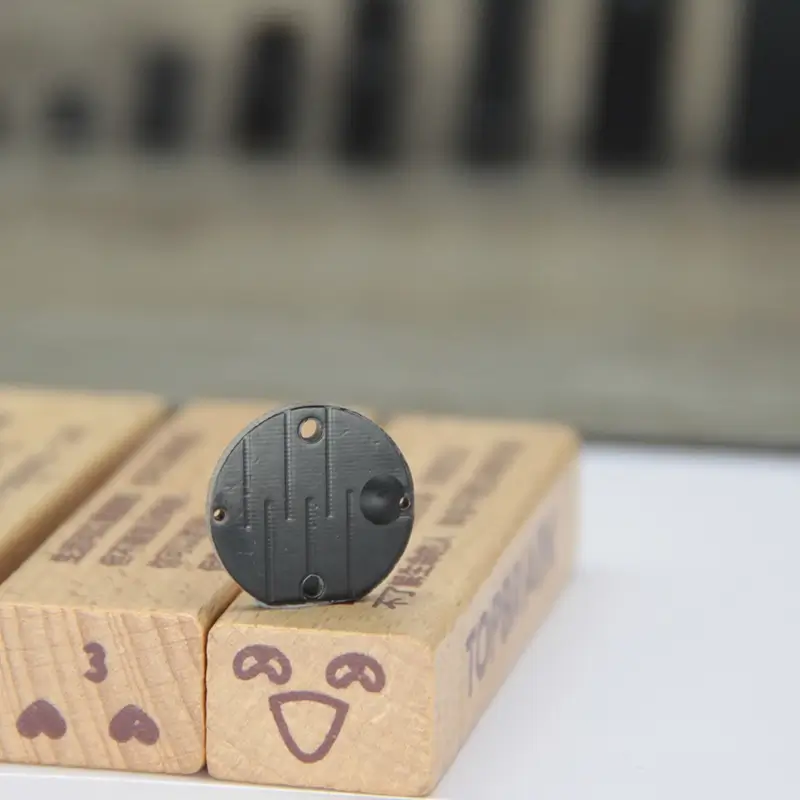
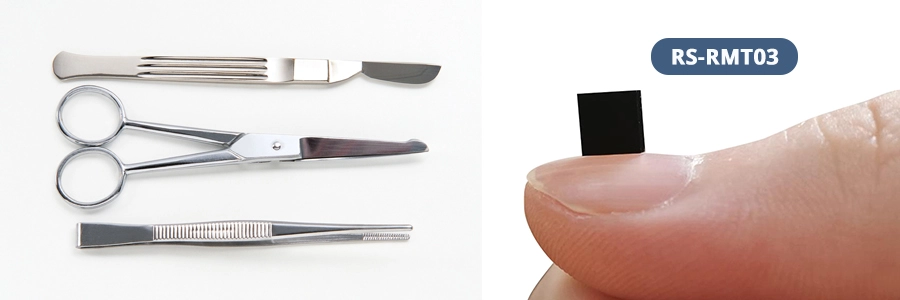
1. Micro RFID Tag (PCB-Based)
Overview
Micro RFID tags are ultra-compact tags built on a PCB (Printed Circuit Board) substrate. They are specifically designed for applications where space is limited.
Key Features
- Extremely small size
- High precision identification
- Resistant to heat, chemicals, and impact
- Stable performance on metal
Typical Applications
- Tool tracking
- Medical instrument management
- Small electronic components tracking
Advantages
- Ideal for small assets
- Durable and reliable
- High accuracy in dense environments
Limitations
- Shorter read range compared to larger tags
- Higher cost per unit
2. PCB RFID Tag
Overview
PCB RFID tags are rigid, durable anti-metal tags made entirely from PCB material. They are one of the most widely used industrial RFID tag types.
Key Features
- Strong anti-metal capability
- Waterproof and dustproof
- Excellent resistance to shock and vibration
- Long service life
Typical Applications
- Asset management in factories
- Warehouse tracking
- IT and server equipment tracking
- Outdoor equipment identification
Advantages
- Very durable in harsh environments
- Stable and consistent read performance
- Long read range
Limitations
- Rigid structure (not flexible)
- Larger size compared to micro tags

3. UHF Flexible Anti-Metal RFID Tag (Foam-Based)
Overview
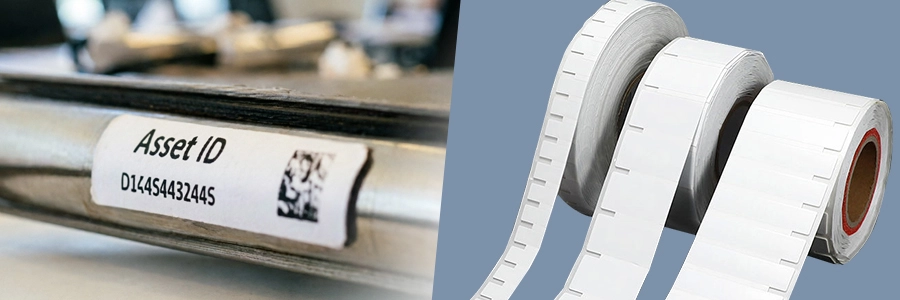
Flexible anti-metal RFID tags are made with a foam (FOMA) substrate, allowing them to bend and conform to curved surfaces.
Key Features
- Flexible and lightweight
- Easy to install with adhesive backing
- Suitable for irregular or curved surfaces
- Cost-effective solution
Typical Applications
- Logistics and supply chain management
- Cylindrical assets (pipes, containers)
- Retail inventory tracking
Advantages
- Easy deployment
- Adaptable to various surfaces
- Lower cost compared to PCB tags
Limitations
- Lower durability than rigid PCB tags
- Moderate read range
Comparison of the Three Types
| Feature |
Micro PCB Tag |
PCB Tag |
Flexible Foam Tag |
| Size |
Very small |
Medium |
Thin & flexible |
| Material |
PCB |
PCB |
Foam |
| Flexibility |
No |
No |
Yes |
| Durability |
High |
Very high |
Medium |
| Read Range |
Short–medium |
Medium–long |
Medium |
| Best Use |
Small tools |
Industrial assets |
Logistics |
How to Choose the Right Anti-Metal RFID Tag
Choosing the right RFID tag depends on your specific application:
- For small and high-value items → Micro RFID tags are the best choice
- For harsh industrial environments → PCB RFID tags offer maximum durability
- For curved surfaces and cost-sensitive projects → Flexible foam tags are ideal
You should also consider:
- Installation environment (indoor/outdoor)
- Required read distance
- Surface type (flat or curved)
- Budget constraints

Conclusion
UHF anti-metal RFID tags are essential for reliable tracking on metal surfaces. Each type serves a different purpose:
- Micro PCB tags for compact applications
- PCB tags for durability and long-term use
- Flexible foam tags for versatility and ease of use
By understanding their differences, you can select the best solution for your business needs.
Looking for the Right RFID Solution?
If you're looking for high-quality UHF anti-metal RFID tags for your project, feel free to contact us for:
- Free samples
- Technical support
- Bulk pricing
We're here to help you find the perfect RFID solution.
-------------------
Welcome to contact us!
RFIDSilicone is Your Best RFID & NFC Partner!
19+ years experience in RFID products (RFID wristband, RFID sticker/tag, RFID card etc).
Our own factory passed ISO9001: 2015 & ISO14001:2015. We have SGS, ROHS, REACH, FDA certificates etc.