RFID PCB tag represents a significant evolution in automatic identification technology. Unlike traditional RFID labels that are printed on paper or plastic, an RFID PCB tag is a radio-frequency identification device where the antenna is etched directly onto a Printed Circuit Board (PCB) substrate, with the chip soldered onto it like a standard electronic component. This construction method transforms a simple tracking tool into a rugged, high-performance industrial asset. As industries move toward smarter manufacturing and automated inventory control, the demand for durable tracking solutions has skyrocketed, positioning the PCB RFID tag as the go-to solution for tracking assets in harsh environments where plastic tags simply fail.

What Exactly is an RFID PCB Tag?
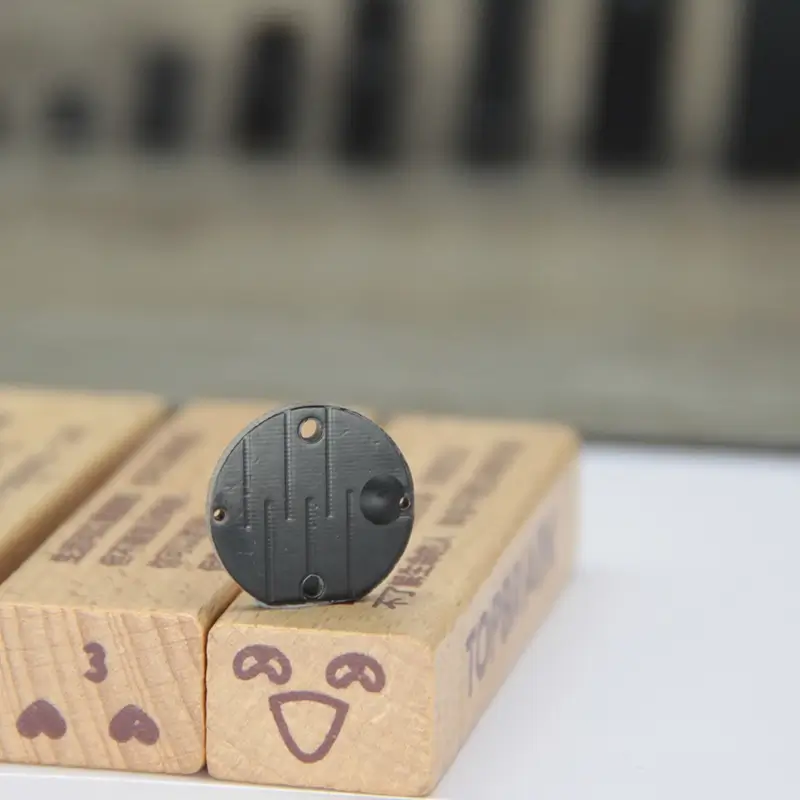
RFID PCB tag is essentially a hybrid device combining the intelligence of RFID technology with the physical durability of circuit board materials. The base material is typically FR4 (a flame-retardant fiberglass composite), which provides exceptional rigidity. The antenna design is printed using conductive copper traces, allowing for precise impedance matching—this is particularly critical for UHF RFID PCB tag models, which require exact tuning to achieve long read ranges. Because the chip is soldered rather than glued, it can withstand high levels of vibration and shock, making these tags suitable for permanent attachment to high-value assets.
Key Advantages of PCB RFID Tag
RFID PCB tag technology offers a suite of benefits that standard RFID stickers cannot match. These advantages stem directly from the robust nature of the PCB material and the precision of the manufacturing process.
Waterproof and Environmental Sealing: Unlike paper labels, an RFID PCB tag is non-porous. When coated with a protective epoxy (potting), it achieves IP68 ratings, meaning it can be submerged in water, exposed to pressure washing, or covered in mud without losing functionality.
Anti-Metal Performance: Standard tags suffer from "detuning" when placed on metal, which reflects radio waves and disrupts the signal. A UHF RFID PCB tag is specifically engineered with a ground plane or a specific dielectric thickness to decouple the antenna from the metal surface, allowing it to perform perfectly even when mounted directly on steel machinery or server racks.
High-Temperature Resistance: Perhaps the most significant advantage is thermal tolerance. While plastic tags melt and paper labels burn, an RFID PCB tag can survive extreme temperatures ranging from -40°C to over +100°C.
Diverse Size Options: Because they are manufactured using standard PCB fabrication techniques, they can be produced in virtually any shape or size, from tiny tags for small medical tools to large formats for pallet tracking, without requiring expensive injection molds.
Optimized for UHF: The precise copper etching allows for perfect UHF antenna design, resulting in read ranges that often exceed 10 meters, which is essential for supply chain efficiency.

How Does an RFID PCB Tag Work?
RFID PCB tag operates on the same fundamental principles as other passive RFID systems, but with enhanced reliability. When a reader emits radio frequency energy, the copper antenna etched onto the PCB captures this energy. Because the antenna is fixed on a stable substrate, the resonant frequency remains consistent, avoiding the detuning issues common with flexible tags. The captured energy powers the RFID chip, which then wakes up and backscatters its stored data (such as a unique ID or sensor data) to the reader. In the case of a UHF RFID PCB tag, the rigid design allows for a larger, more efficient aperture, enabling it to harvest energy from farther away and communicate over greater distances.

Applications of RFID PCB Tag
RFID PCB tag technology has found its way into a vast array of industries where durability and reliability are non-negotiable. Below are the primary applications based on your outline.
1. Inventory Management
In warehouses with metal shelving, standard tags are often ineffective. An RFID PCB tag mounted on metal racks ensures that inventory levels are tracked accurately in real-time, reducing human error and stock-outs.
2. Supply Chain Management
Logistics providers use UHF RFID PCB tags on reusable plastic containers (RPCs) and pallets. These tags survive the rough-and-tumble world of shipping, including rain, snow, and impact, ensuring end-to-end visibility from the factory floor to the retail backroom.
3. Tool Tracking
In manufacturing and aviation, tools are frequently lost or misplaced. By embedding an RFID PCB tag directly into the handle of metal wrenches, drills, or dies, companies can automate tool crib check-in/check-out and conduct instant tool inventories, ensuring that tools are never left inside expensive machinery.

4. Manufacturing Automation
On the assembly line, work-in-progress (WIP) carriers often need to carry information. An RFID PCB tag attached to these carriers allows automated systems to read which parts are inside, routing them to the correct station without human intervention, even after passing through high-temperature paint booths.
5. Asset Tracking
For IT assets like servers and laptops, which are often housed in metal racks, a standard sticker fails. A low-profile RFID PCB tag attached to the metal chassis allows data centers to perform complete audits in minutes rather than days.
6. Medical Device Identification
Hospitals require strict sterilization. Surgical instruments fitted with RFID PCB tags can withstand thousands of autoclave cycles. This allows hospitals to track usage, manage sterilization dates, and ensure the correct instrument trays are delivered to the operating room.
7. Automotive Component Tracking
Automotive plants are harsh environments. Engine blocks and transmissions fitted with RFID PCB tags can be tracked through the entire machining and assembly process, even through washing stations and heat treatment ovens, ensuring quality control at every step.
8. Electronic Component Traceability
In electronics manufacturing, large components or motherboards themselves can host an RFID PCB tag. This allows manufacturers to trace the history of the board, including who assembled it and when, which is crucial for warranty management and quality recalls.
Conclusion
The RFID PCB tag is more than just an identifier; it is a durable data carrier built for the industrial world. By combining the mechanical strength of a circuit board with the long-range capabilities of UHF, it solves the most difficult tracking challenges involving metal, liquids, and extreme heat. Whether you need to track medical tools through an autoclave or engine parts through a paint shop, the RFID PCB tag provides a permanent, reliable solution for the factories of the future.
-------------------
Welcome to contact us!
RFIDSilicone is Your Best RFID & NFC Partner!
19+ years experience in RFID products (RFID wristband, RFID sticker/tag, RFID card etc).
Our own factory passed ISO9001: 2015 & ISO14001:2015. We have SGS, ROHS, REACH, FDA certificates etc.