RFID library management applications are rapidly transforming how modern libraries operate, replacing outdated manual processes with intelligent, automated systems. Traditional methods of book tracking, inventory management, and circulation control are often inefficient, labor-intensive, and prone to human error.
RFID (Radio Frequency Identification) technology is transforming library operations by enabling automated tracking, efficient inventory management, and seamless user experiences. By integrating RFID into library systems, institutions can significantly improve efficiency, accuracy, and service quality.
By adopting an RFID library management system, libraries can achieve real-time asset tracking, automated check-in and check-out, enhanced security, and seamless self-service experiences. This advanced technology not only improves operational efficiency but also optimizes resource utilization and elevates the overall user experience in smart library environments.
What Is RFID Library Management System
An RFID library management system is a smart solution that uses radio frequency technology to identify, track, and manage library resources automatically.
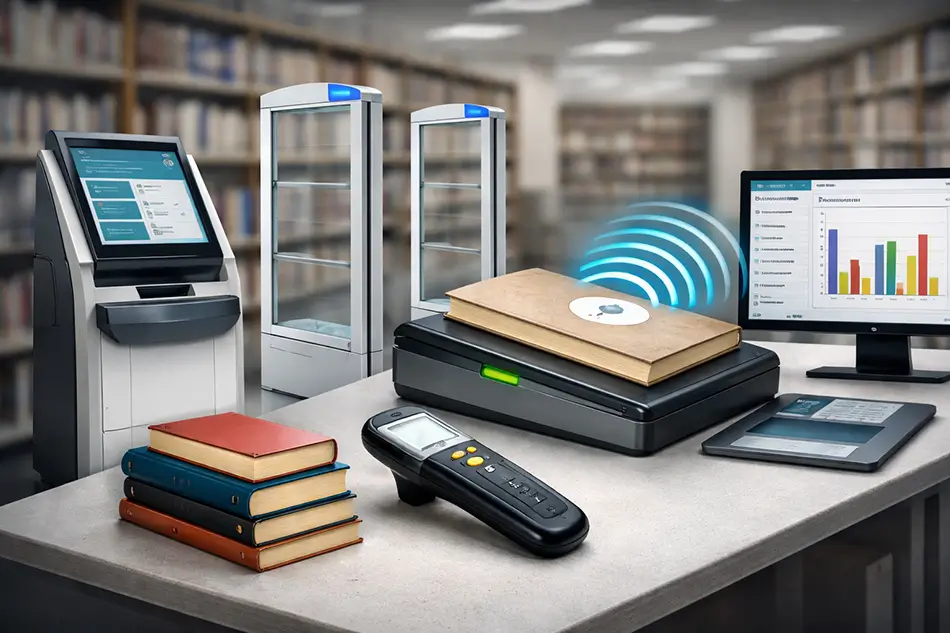
It typically consists of the following components:
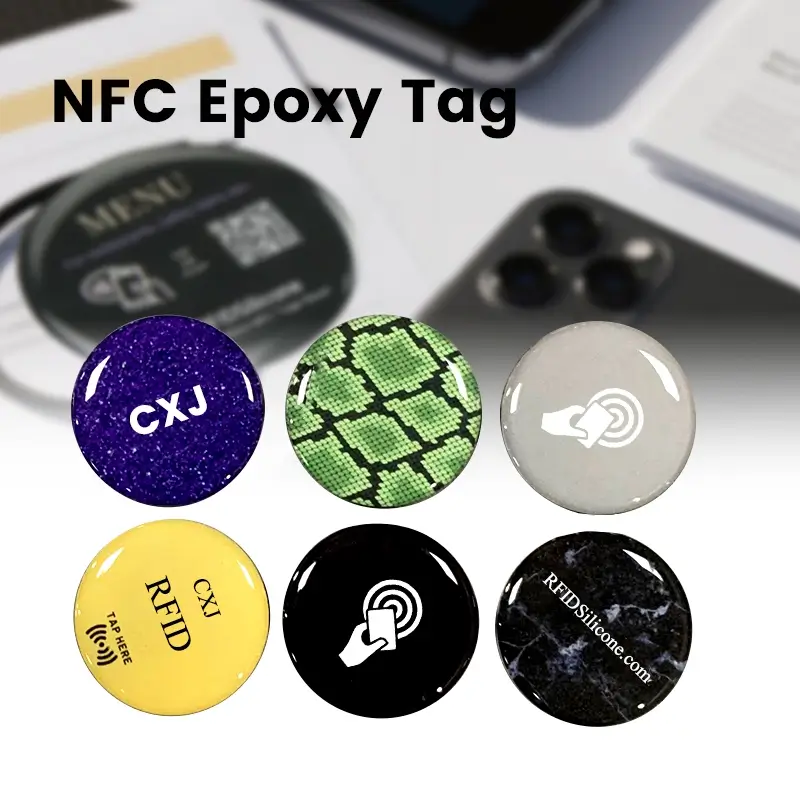
- RFID Tags – Attached to books and assets, storing unique identification data
- RFID Readers & Antennas – Used to scan and collect tag information
- Library Management Software – Processes and manages all collected data
- Self-service kiosks & security gates – Enable automation and theft prevention
These components work together to provide real-time visibility and control over library resources.
How RFID Works in Library Applications
1. Item Tagging
Each book or asset is embedded with an RFID tag containing unique data such as title, author, and ID.
2. Self-Service Borrowing & Returning
Users can borrow or return multiple books simultaneously via RFID kiosks without manual scanning.
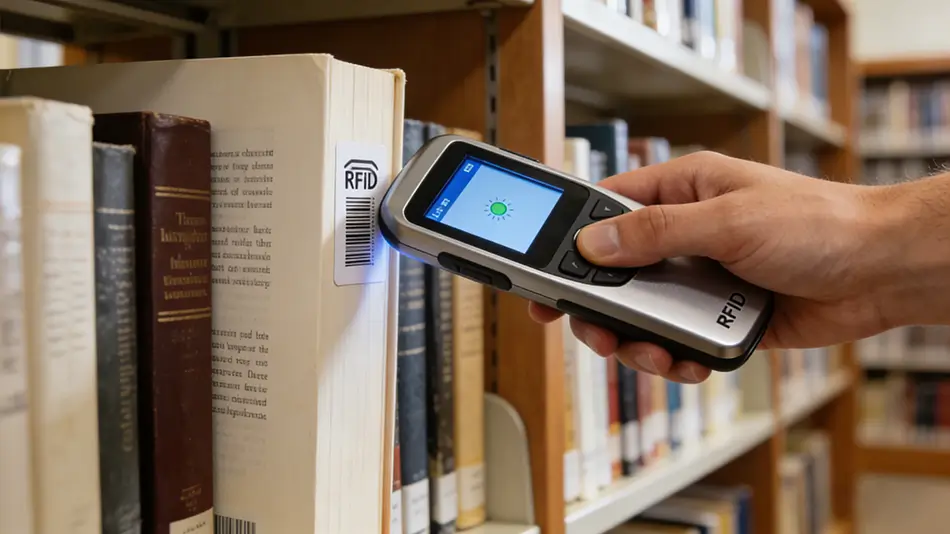
3. Automated Inventory Management
Handheld RFID scanners can quickly scan entire shelves, reducing inventory time from days to hours.
4. Real-Time Tracking
Library staff can instantly locate misplaced or missing items using RFID tracking systems.
5. Security & Anti-Theft
RFID security gates detect unauthorized removal of books and trigger alerts automatically.
Key Applications of RFID in Libraries
Smart Circulation Management
RFID enables fast and accurate check-in/check-out processes, eliminating manual errors and reducing queues.
Self-Service Library Systems
24/7 self-service borrowing and returning stations allow libraries to operate beyond traditional hours.
Inventory & Shelf Management
Libraries can perform rapid inventory checks and maintain accurate records with minimal labor.
Anti-Theft & Security Control
RFID gates and monitoring systems ensure the safety of valuable resources.
Data Analytics & Decision Making
RFID systems collect usage data, helping libraries optimize resource allocation and improve user experience.
Benefits of RFID Library Management
1. Improved Operational Efficiency
RFID allows multiple items to be scanned simultaneously, dramatically reducing processing time.
2. Reduced Labor Costs
Automation minimizes manual tasks such as sorting, inventory, and searching for misplaced books.
3. Enhanced User Experience
Self-service systems eliminate long waiting times and improve overall convenience.
4. Accurate Inventory Management
Real-time tracking ensures high data accuracy and reduces loss or misplacement.
5. Increased Security
RFID-enabled security systems effectively prevent theft and unauthorized removal.
6. 24/7 Library Access
Automated systems enable libraries to operate continuously without full staff presence.
Typical RFID Hardware for Library Systems
A complete RFID library solution includes:
- RFID Book Tags (HF/NFC or UHF)
- RFID Readers (Desktop & Handheld)
- RFID Antennas
- Self-Service Kiosks
- RFID Security Gates
- Smart Book Drop Systems
These components work together to create a fully automated and intelligent library environment.
Use Cases
RFID library management systems are widely used in:
- Public libraries
- University libraries
- School libraries
- Self-service libraries
- Digital and smart libraries
RFID technology is revolutionizing library management by enabling automation, improving efficiency, and enhancing user experience. As libraries continue to evolve in the digital era, RFID systems are becoming an essential infrastructure rather than an optional upgrade.
For organizations looking to modernize their library operations, implementing an RFID-based solution is a strategic investment that delivers long-term value in efficiency, accuracy, and service quality.