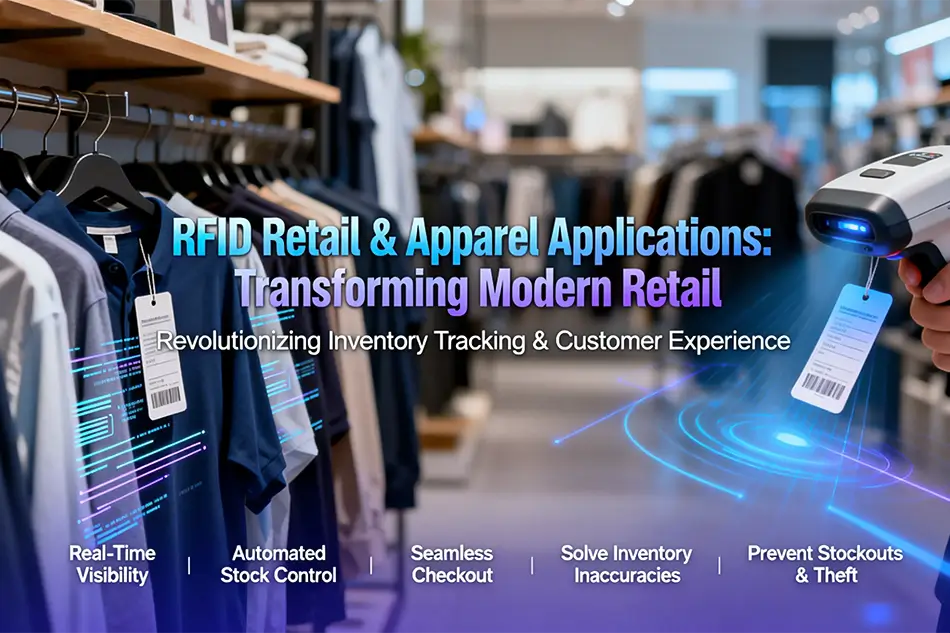
RFID retail apparel technology is revolutionizing inventory tracking, apparel management, and customer experience in modern retail environments. By enabling real-time visibility, automated stock control, and seamless checkout, RFID has become a critical solution for fashion brands and retailers seeking efficiency and scalability.
Retailers today face challenges such as inventory inaccuracies, stockouts, and theft. RFID technology solves these issues by providing precise, automated tracking across the entire supply chain.
What Is RFID in Retail & Apparel?
RFID (Radio Frequency Identification) uses electronic tags, readers, and software systems to identify and track products wirelessly.
In apparel retail, RFID tags are typically embedded in:
- Clothing labels ( chothing tags )
- Hang tags
- Packaging
Unlike barcodes, RFID does not require line-of-sight scanning and can read multiple items simultaneously, significantly improving operational efficiency.
Key Applications of RFID in Retail & Apparel
1. Real-Time Inventory Management
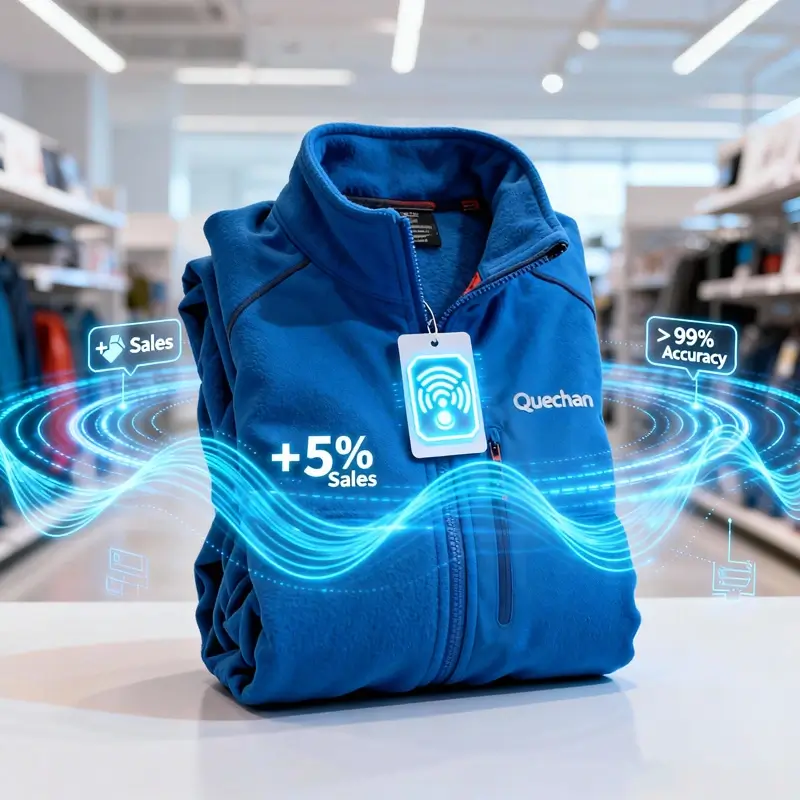
RFID enables retailers to track inventory at item level with up to 99% accuracy, compared to traditional methods.
- Instant stock visibility
- Faster stocktaking (reduce labor up to 75%)
- Accurate replenishment
2. Supply Chain Tracking & Inventory Visibility
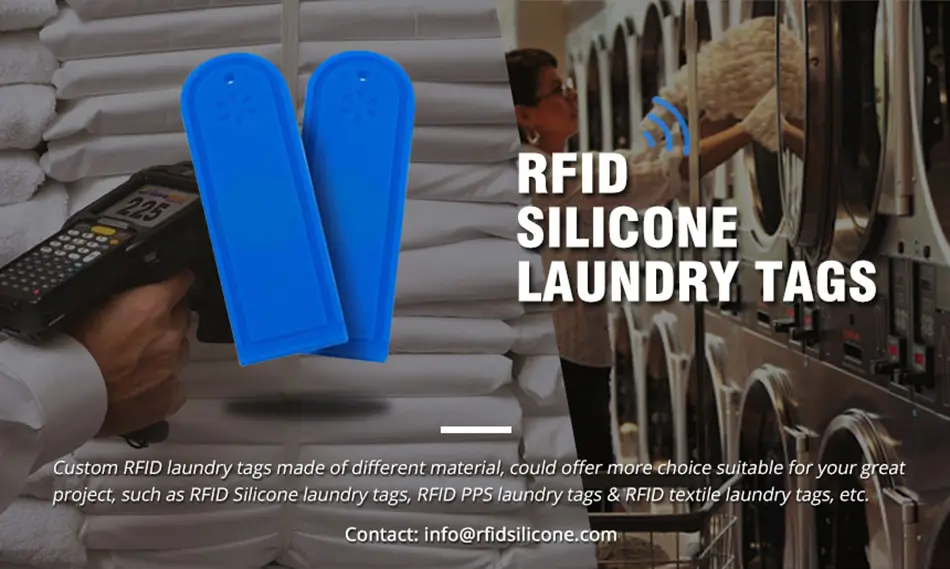
RFID helps improve visibility across the supply chain by enabling faster and more accurate inventory updates from warehouse to store.
- Batch scanning of incoming and outgoing goods to reduce manual errors
- Faster receiving and stock counting in warehouses and stores
- Better visibility of stock movement between locations
- Support for basic data analysis based on inventory flow
This allows retailers to reduce operational mistakes and maintain more consistent stock levels, especially in multi-store environments.
3. Anti-Theft & Loss Prevention
RFID can assist in loss prevention by improving item tracking and supporting existing store security systems.
- Easier identification of missing items during inventory checks
- Support for integration with existing EAS or security gate systems
- Improved stock accuracy helps detect discrepancies earlier
- Useful for periodic audits and shrinkage analysis
While RFID is not a standalone anti-theft solution, it helps retailers better understand and manage inventory losses over time.
4. Smart Fitting Room & Customer Experience
RFID can enhance the in-store experience by improving product visibility and assisting staff in delivering better customer service.
- Store staff can quickly locate specific sizes or styles using handheld RFID readers
- Customers can get faster assistance without long waiting times
- Retailers can ensure better stock availability on the sales floor
- Supports integration with POS and inventory systems for smoother operations
This results in a more efficient shopping process and a better overall customer experience, rather than relying on fully automated or experimental smart fitting room setups.
5. Checkout Efficiency & Omnichannel Support
RFID helps improve checkout efficiency and supports better coordination between online and offline inventory systems.
- Faster item identification during checkout using RFID scanning
- Reduced reliance on manual barcode scanning for bulk items
- Improved checkout speed during peak hours
- Integration with POS systems for smoother transactions
Retailers can also benefit from improved inventory synchronization across channels:
- More accurate stock data for in-store pickup (BOPIS)
- Better alignment between online and offline inventory
- Reduced risk of overselling or stock inconsistencies
This allows retailers to enhance operational efficiency and provide a more reliable shopping experience without requiring fully automated checkout systems.
Improve your checkout efficiency and inventory coordination with reliable RFID solutions designed for modern retail environments.
Benefits of RFID in Apparel Retail
Implementing RFID brings measurable ROI:
- Inventory accuracy up to 99%
- Reduced labor costs
- Improved product availability
- Enhanced customer experience
- Better data-driven decisions
RFID enables retailers to respond quickly to fast-changing fashion trends and consumer demand.
How to Implement RFID in Retail Apparel
A typical RFID system includes:
- RFID Tags (attached to garments)
- RFID Readers (fixed or handheld)
- RFID Software (inventory & analytics)
Implementation Steps:
- Tagging apparel at source
- Deploying readers in store & warehouse
- Integrating with existing systems
- Training staff
Why Choose RFID for Apparel Retail?
With the global demand for real-time inventory and omnichannel retail growing rapidly, RFID is no longer optional—it is a competitive advantage.
By adopting RFID solutions, retailers can:
- Eliminate stock discrepancies
- Increase sales conversion
- Optimize operations
- Future-proof retail infrastructure
RFID retail apparel applications are transforming the fashion industry by enabling smarter inventory management, enhanced security, and superior customer experiences.
For retailers looking to scale efficiently and stay competitive, RFID technology provides a proven, future-ready solution.