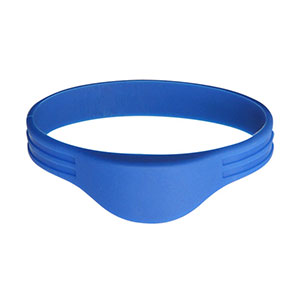
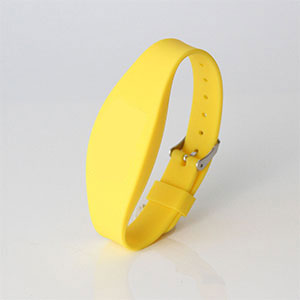
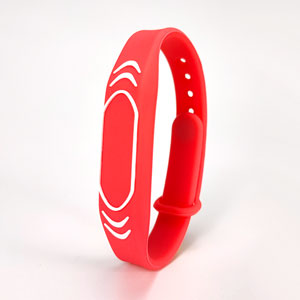
RFID Tool Management Solutions: The Smart Way to Control, Track, and Optimize Your Assets
In industries such as manufacturing, construction, energy, and maintenance, tools are critical assets—but also one of the most difficult to manage. Manual tracking methods often lead to misplaced tools, inefficient workflows, and unnecessary replacement costs.
RFID tool management solutions provide a modern, automated approach to track, monitor, and control tools in real time—helping businesses improve efficiency, reduce losses, and gain full visibility across operations.
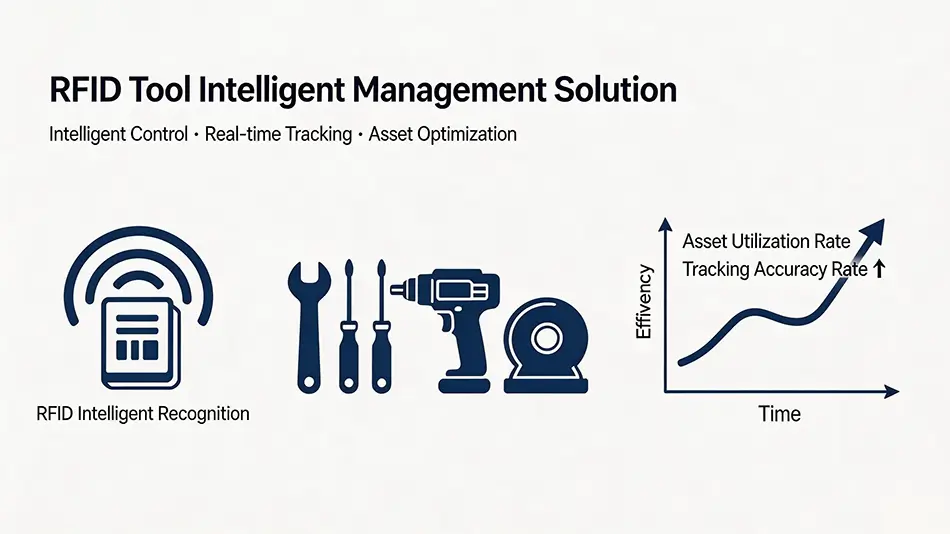
What is RFID Tool Management?
RFID (Radio Frequency Identification) tool management is a system that uses RFID tags, readers, and software to automatically identify and track tools throughout their lifecycle.
Each tool is equipped with an RFID tag, allowing it to be tracked without manual scanning or line-of-sight requirements. Data is captured instantly and stored in a centralized system, providing real-time visibility into tool location, usage, and status.
Compared to traditional tracking methods, RFID enables faster, more accurate, and automated data collection, significantly reducing human errors and operational delays.
Key Components of RFID Tool Management System
A complete RFID tool tracking solution typically includes:
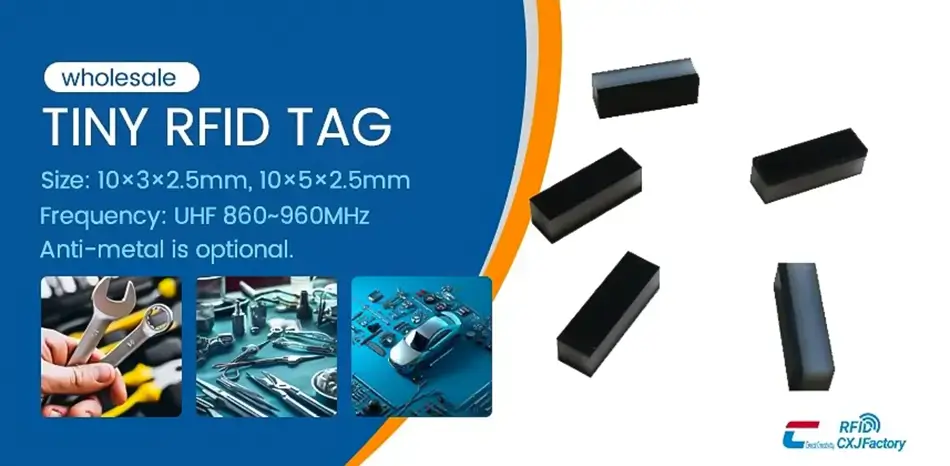
- RFID Tags – Attached to tools for unique identification
- RFID Readers – Fixed or handheld devices for data capture
- Antenna Systems – Enable wide-area or zone-based tracking
- Management Software – Central platform for monitoring and analytics
- Integration Interfaces – Connect with ERP, WMS, or maintenance systems
These components work together to create a fully automated tool tracking ecosystem.
Core Functions of RFID Tool Management
1. Real-Time Tool Tracking
Track the exact location of tools across warehouses, job sites, or production lines in real time, eliminating blind spots in asset management.
2. Automated Check-In / Check-Out
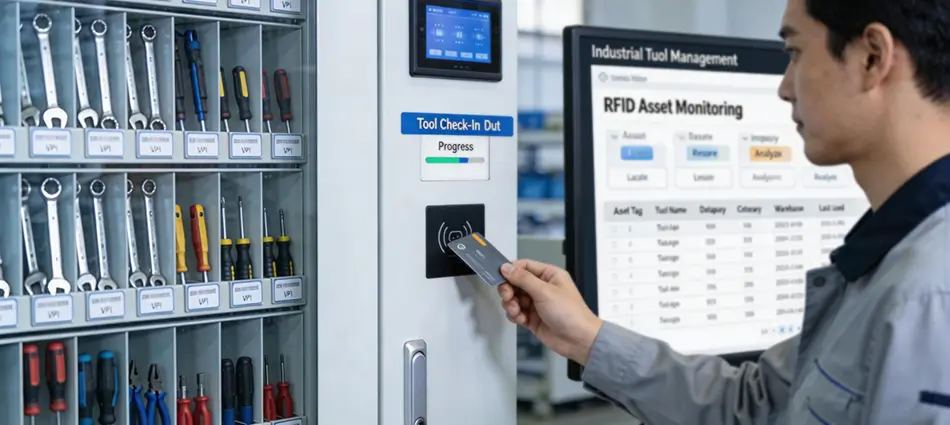
Tools can be automatically recorded when issued or returned, removing the need for manual logging and reducing administrative workload.
3. User Accountability Tracking
Assign tools to specific employees and maintain a full usage history, improving responsibility and traceability.
4. Smart Alerts & Notifications
Receive instant alerts when:
- Tools leave designated zones
- Tools are not returned on time
- Unauthorized access occurs
5. Inventory Automation
Conduct full inventory audits in minutes instead of hours by scanning multiple tools simultaneously.
Key Benefits of RFID Tool Management Solutions
1. Reduce Tool Loss and Theft
RFID systems provide real-time visibility and automated alerts, significantly minimizing tool loss and theft risks.
2. Improve Operational Efficiency
Employees spend less time searching for tools and more time focusing on productive tasks, improving workflow efficiency.
3. Increase Inventory Accuracy
Automated tracking ensures accurate inventory data and eliminates manual recording errors.
4. Lower Operational Costs
By reducing duplicate purchases and labor costs, RFID delivers strong long-term ROI and cost savings.
5. Enable Data-Driven Decisions
RFID systems generate valuable insights into tool usage, lifecycle, and performance, supporting better planning and resource allocation.
Industry Applications
RFID tool management solutions are widely used across industries:
• Manufacturing
Track production tools, reduce downtime, and ensure tools are always available when needed.
• Construction
Monitor tools across large job sites and prevent loss or misplacement in complex environments .
• Energy & Utilities
Manage critical maintenance tools and ensure compliance with safety regulations.
• Aviation & Automotive
Ensure precise tool control to meet strict safety and compliance standards.
• Warehousing & Logistics
Improve asset visibility and streamline operations through automated tracking.
Real-World Value: ROI and Performance
Companies implementing RFID tool tracking systems often see rapid returns on investment. For example, real-world deployments have shown:
- Significant reduction in lost tools
- Increased accountability and asset visibility
- ROI achieved within months in some cases
This makes RFID not just a tracking solution—but a strategic operational upgrade.
Why Choose RFID Over Traditional Methods?
|
Feature
|
Manual Tracking
|
Barcode
|
RFID
|
|
Data Capture
|
Manual
|
Line-of-sight
|
Automatic
|
|
Speed
|
Slow
|
Medium
|
Fast
|
|
Accuracy
|
Low
|
Medium
|
High
|
|
Multi-Item Scanning
|
No
|
Limited
|
Yes
|
|
Real-Time Visibility
|
No
|
Limited
|
Yes
|
RFID clearly outperforms traditional systems in scalability, accuracy, and automation.
Future Trends of RFID Tool Management
RFID technology is evolving rapidly with integration into:
- IoT platforms for real-time connectivity
- Cloud systems for centralized data access
- AI analytics for predictive maintenance
- Smart tool cabinets & lockers for automated control
These advancements are turning RFID tool management into a key driver of digital transformation in industrial environments.

RFID tool management solutions provide a powerful, scalable, and efficient way to manage tools across complex operations. By automating tracking, improving visibility, and reducing losses, businesses can significantly enhance productivity and profitability.
For companies looking to modernize their operations and gain a competitive edge, RFID is no longer optional—it’s essential.